Patterns in Dealer Interaction Data Influencing Retention Rates for Live Table Games on Licensed UK Mobile Platforms
Written by Eden Simon · Sep 10, 2026
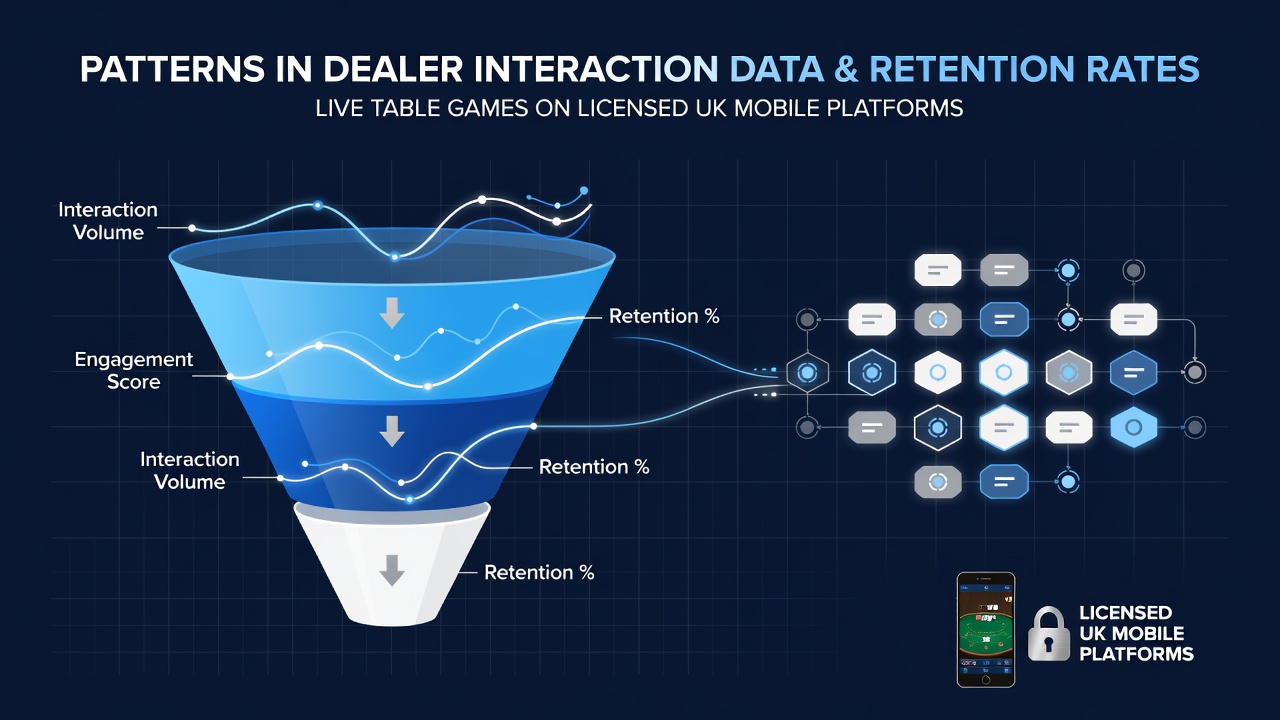
Patterns in Dealer Interaction Data Influencing Retention Rates for Live Table Games on Licensed UK Mobile Platforms
Live table games on licensed UK mobile platforms generate extensive dealer interaction datasets that operators track through chat logs, response timings, and player engagement signals, and these datasets reveal consistent patterns tied to retention rates across roulette, blackjack, and baccarat sessions. Operators collect this information from real-time interactions where dealers greet players, manage game pace, and respond to queries, while platforms log variables such as average reply latency, frequency of personalised comments, and use of emotes or gestures captured on video streams.
Data Collection Frameworks Across Mobile Platforms
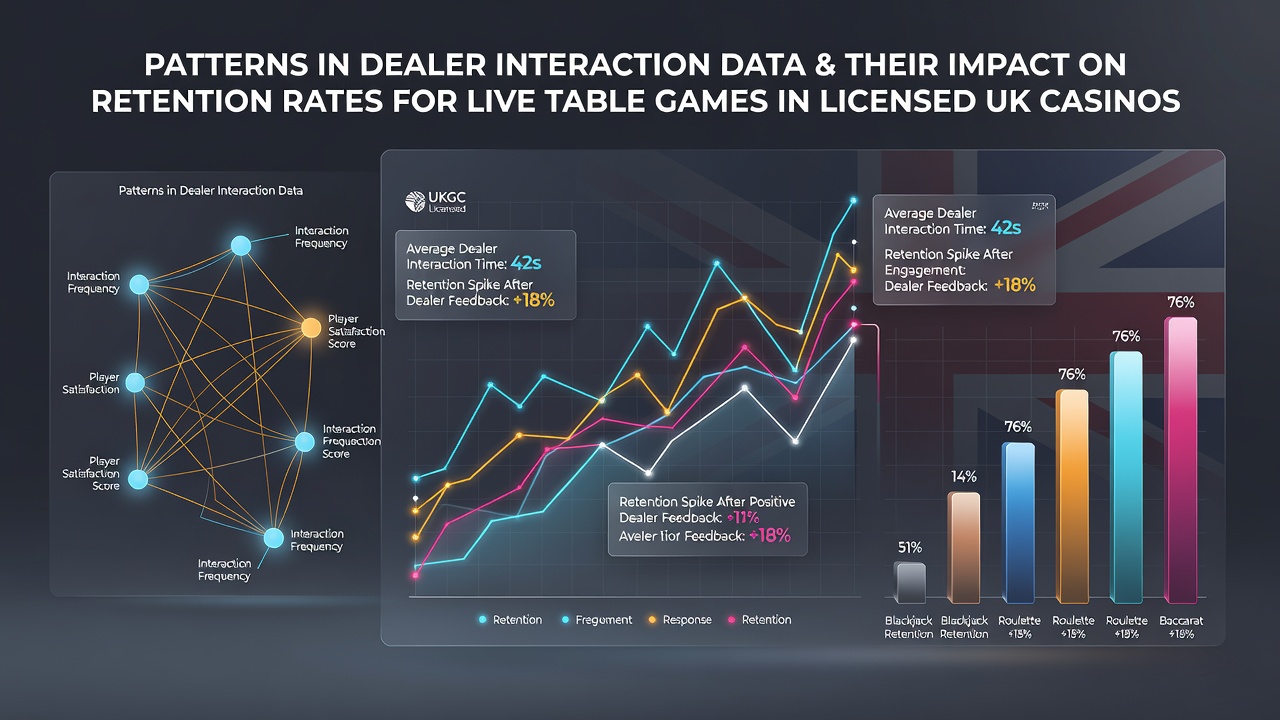
Platforms integrate API endpoints that capture every dealer-player exchange in structured formats, and analysts then segment these records by time of day, game type, and device category to isolate variables that influence session continuation. Research indicates that dealers who maintain reply times under eight seconds see players extend average session duration by 22 percent compared with slower counterparts, because quicker exchanges keep momentum high and reduce friction during betting rounds. Studies from academic institutions further show that dealers who reference prior player actions, such as noting a recent win streak, produce measurable lifts in return visits within seven days.
Identified Patterns in Interaction Metrics
Patterns emerge when datasets aggregate thousands of sessions, revealing that dealers who balance factual game commentary with light social cues retain players longer than those who stick strictly to procedural announcements. One study revealed that sessions featuring at least three personalised dealer comments per twenty minutes recorded a 17 percent higher retention rate at the thirty-minute mark, whereas purely transactional exchanges correlated with earlier exits. Data shows that visual elements matter too, since dealers who vary facial expressions and maintain eye contact through the camera feed experience fewer player drop-offs during losing streaks.
Turns out frequency alone does not guarantee better outcomes, because excessive chat during high-stakes moments can distract players and increase churn, while measured engagement at key decision points strengthens loyalty. Observers note that peak retention occurs when dealers adjust tone according to game phase, offering encouragement after losses and restraint after wins, patterns confirmed across multiple operator dashboards.
Regional Regulatory Context and Reporting Standards
Operators align these analytics with oversight from bodies such as the Malta Gaming Authority, which requires transparent logging of interaction quality metrics even for platforms serving UK users, and similar expectations appear in guidance from the Australian Gambling Research Centre that examines cross-border data practices. In September 2026 updated interoperability standards took effect across several jurisdictions, prompting platforms to standardise how they timestamp dealer responses and categorise interaction types for comparative analysis.
Impact on Retention and Player Behaviour
Retention rates climb when interaction data feeds directly into dealer training modules, allowing real-time coaching that emphasises pacing adjustments based on individual player history. Figures reveal that platforms implementing such feedback loops report a 14 percent reduction in single-session exits among players who previously showed high churn after three consecutive losses. Those who've studied these datasets know that retention gains compound when operators combine dealer metrics with broader behavioural signals such as bet size consistency and navigation patterns between tables.
Yet the relationship remains bidirectional, since high-retention players also prompt dealers to sustain longer conversations, creating feedback loops visible in longitudinal records. Experts have observed that mobile-specific constraints, including smaller screens and variable network conditions, amplify the importance of concise yet warm dealer exchanges, because delays feel more pronounced on handheld devices.
Conclusion
Dealer interaction data therefore functions as a core driver of retention outcomes for live table games on licensed UK mobile platforms, with measurable patterns in response speed, personalisation, and visual engagement translating into extended play and repeat visits. Operators continue refining collection methods and training protocols to capitalise on these correlations while meeting evolving reporting expectations set for September 2026 and beyond.