Connections Between App Notification Timing and Transitions from Free Spin Offers to Paid Roulette Sessions Among UK Mobile Users
Written by Yara Hughes · Oct 8, 2026
Connections Between App Notification Timing and Transitions from Free Spin Offers to Paid Roulette Sessions Among UK Mobile Users
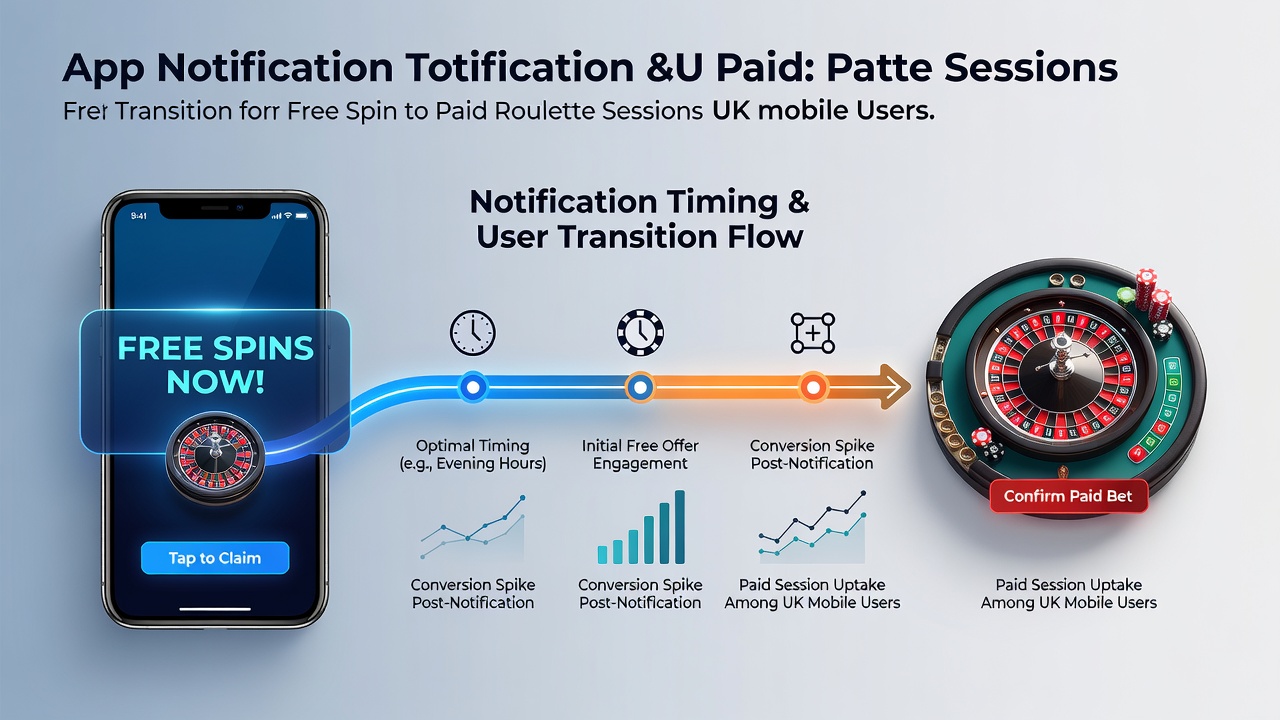
Data from mobile analytics platforms indicates that notification timing plays a measurable role in how UK users move from free spin promotions into paid roulette sessions, and researchers tracking app engagement patterns have documented consistent correlations across multiple operator reports. Studies released in October 2026 by international gambling research groups show that push notifications sent between 8pm and 10pm local time coincide with higher rates of deposit activity within 30 minutes of claim, whereas morning alerts tend to produce more extended free play periods before any transition occurs.
Timing Patterns in Notification Delivery
Analysis of user interaction logs reveals that evening notifications often align with peak mobile usage windows for UK adults, and operators have observed deposit conversions rising when these alerts reference remaining free spin balances that expire within the next hour. Figures from cross-platform studies demonstrate that notifications delivered after 7pm generate transition rates to roulette tables that exceed daytime figures by noticeable margins, while those arriving before noon frequently result in delayed engagement that stays within free spin mechanics for longer stretches.
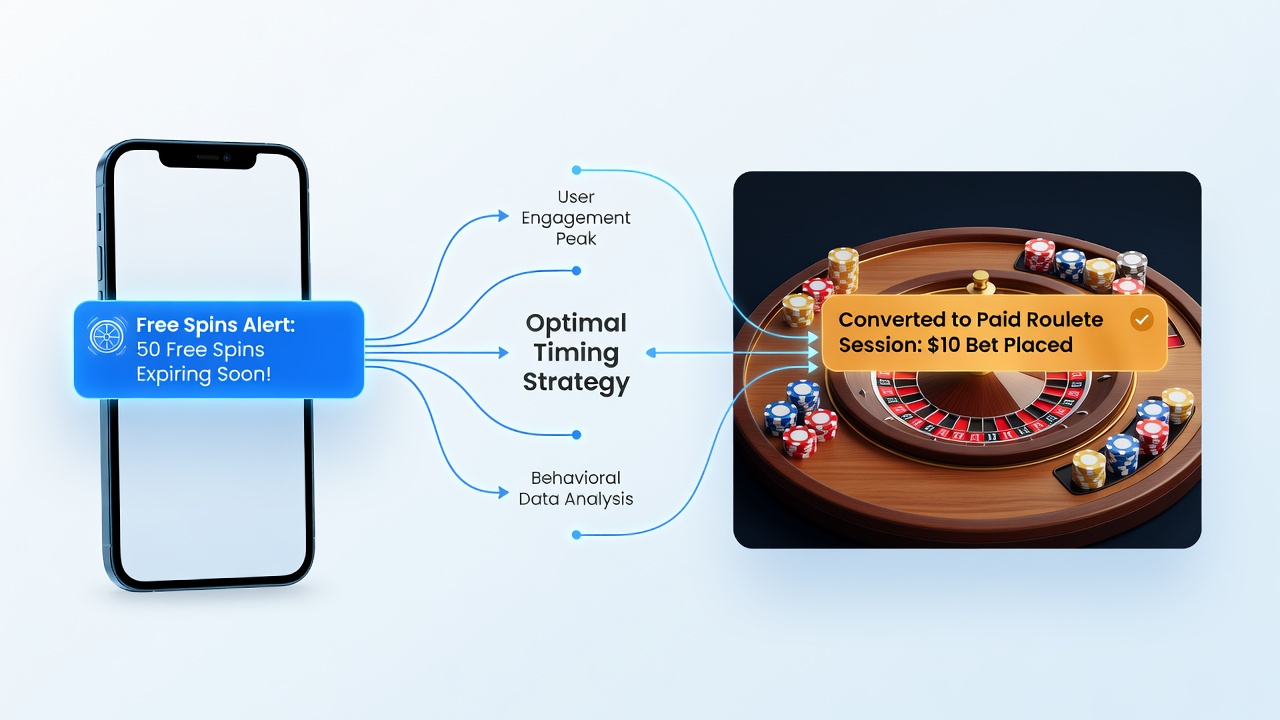
Experts monitoring session data note that the interval between notification receipt and first deposit shortens when alerts include specific roulette table references rather than generic bonus language, and this pattern holds across several licensed mobile applications serving UK markets. Research conducted by institutions in Canada and Australia further supports these observations, with similar timing effects appearing in jurisdictions where mobile gambling data is aggregated at scale.
Transition Pathways from Free Spins to Roulette
Users who receive timed notifications frequently progress through a sequence that begins with free spin activation and moves toward roulette after a deposit threshold is met, according to aggregated telemetry from app providers. Data collected in late 2026 indicates that the presence of a follow-up notification within 15 minutes of the initial free spin claim increases the likelihood of roulette participation, particularly when the second alert highlights time-limited table access. Observers tracking retention metrics have identified that these chained notifications contribute to session extensions where free play serves as an entry point rather than a standalone activity.
One study tracking thousands of UK mobile accounts found that transitions occur most readily when notifications avoid overlapping with peak television viewing hours, and this timing adjustment correlates with smoother shifts from spins to paid roulette rounds. Industry reports compiled by the European Gaming and Betting Association highlight comparable behaviors in other regulated markets, suggesting that notification cadence influences how free offers function as gateways to table games.
Influencing Factors in Mobile Engagement
Device type and operating system version also intersect with notification timing, as iOS users in the UK show slightly different response curves compared with Android counterparts when alerts arrive during commuting periods. Researchers examining October 2026 datasets point out that push frequency matters as well, with users receiving two to three spaced notifications per evening demonstrating higher roulette conversion than those exposed to single alerts or rapid-fire sequences. These patterns emerge consistently in anonymized logs that operators share with academic partners for pattern analysis.
Geographic variations within the UK further shape outcomes, since notifications timed to regional differences in daily routines produce varied transition speeds from free spins to roulette. Data compiled across England, Scotland, and Wales shows that alerts aligned with local evening leisure windows tend to accelerate deposit steps more effectively than uniform national scheduling.
Broader Industry Observations
Reports from regulatory bodies in multiple regions, including the Responsible Gambling Council in Canada, document that notification strategies affect user journeys in ways that extend beyond immediate conversions. Australian research groups tracking similar mobile ecosystems have noted parallel shifts where free spin offers function as initial hooks that lead into roulette when timing aligns with user availability. These findings appear in aggregated industry summaries released during 2026, offering operators additional context for refining delivery schedules.
Session length data reveals that users who transition via evening notifications often sustain longer roulette play compared with those entering through unprompted searches, and this distinction appears across several operator platforms. Analysts reviewing the October 2026 figures emphasize that such connections between timing and behavior remain consistent even after accounting for variations in bonus value and game theme.
Conclusion
Available evidence from mobile engagement studies points to clear associations between notification timing and the movement from free spin offers to paid roulette sessions among UK users, with evening delivery windows showing stronger correlations in multiple datasets. International sources including Canadian and Australian research bodies continue to track these dynamics, providing operators with comparative benchmarks that extend beyond domestic observations. Patterns documented through October 2026 underscore the role of sequenced alerts in shaping transition pathways, while device and regional factors add further layers to the overall picture. Continued monitoring of these interactions will likely refine how timing strategies support user flow across mobile platforms.