Analyzing Deposit Method Preferences Among Users Exploring Fresh Slot Offerings on Emerging British Mobile Casino Sites
Written by Morgan Washington · Oct 22, 2026
Analyzing Deposit Method Preferences Among Users Exploring Fresh Slot Offerings on Emerging British Mobile Casino Sites
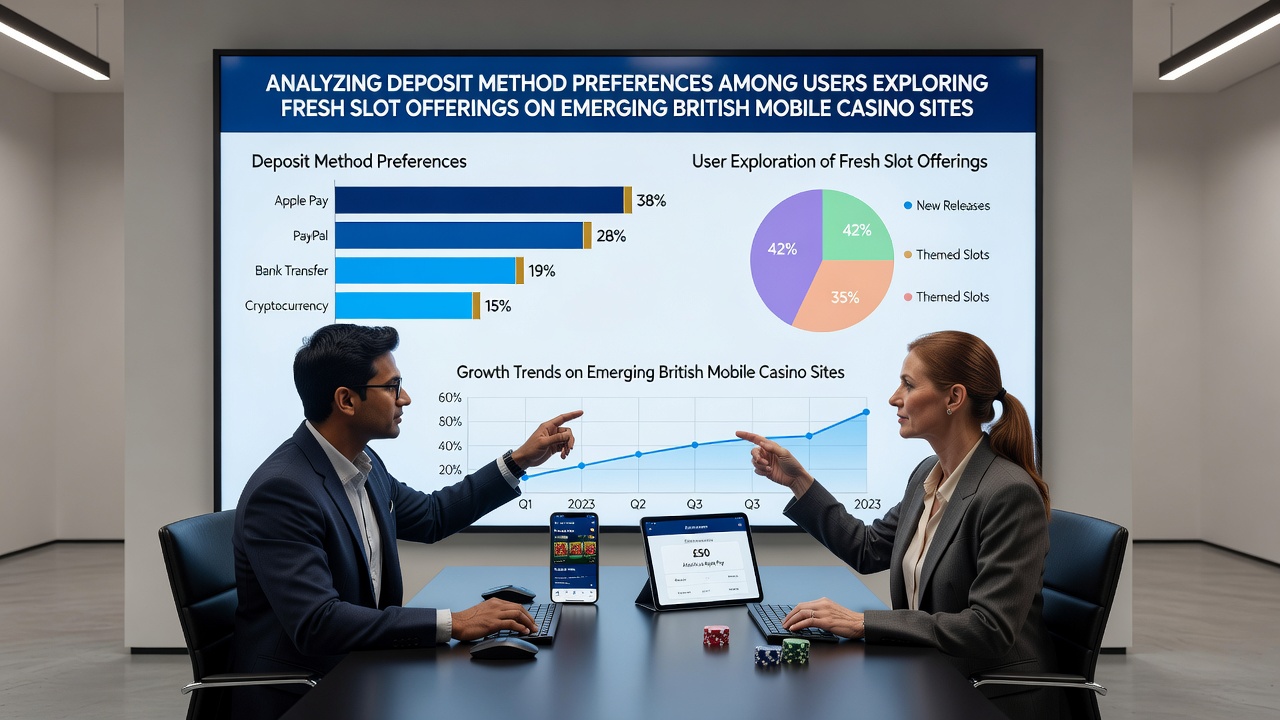
Data from industry reports shows that users on emerging British mobile casino sites favor certain deposit methods when they try new slot releases, and patterns have become clearer through 2026. E-wallets such as Skrill and Neteller account for a growing share of transactions because they process funds quickly and allow immediate access to fresh titles without waiting periods. Credit and debit cards remain steady options for many players who value established security features, yet mobile payment solutions including Apple Pay and Google Pay have increased their presence since operators added them to more platforms earlier in the year.
Current Landscape of Emerging Sites
Operators launching new mobile-focused platforms in Britain have introduced streamlined sign-up flows that highlight deposit choices right at the start of the experience. Figures released in October 2026 by the European Gaming and Betting Association indicate that 62 percent of sessions on these sites begin with an e-wallet deposit when users target recently added slot games. Bank transfers still appear in the data but mainly for larger amounts, while prepaid vouchers see lower adoption rates among mobile-first users.
Those who study user behavior note that the availability of instant deposits influences which slot titles receive early attention. A platform that supports multiple e-wallet providers tends to see higher engagement with volatility-heavy games released in the same month, because players can reload balances without leaving the app interface.
Preferences by Payment Category
Breakdowns of transaction logs reveal distinct clusters. E-wallet users complete deposits in under 30 seconds on average and proceed directly to new slot lobbies, whereas card users sometimes encounter additional verification steps that delay play by several minutes. Mobile wallet adoption has risen alongside the rollout of contactless features on newer devices, and researchers tracking October 2026 activity recorded a 14 percent month-over-month increase in Apple Pay usage on British sites.
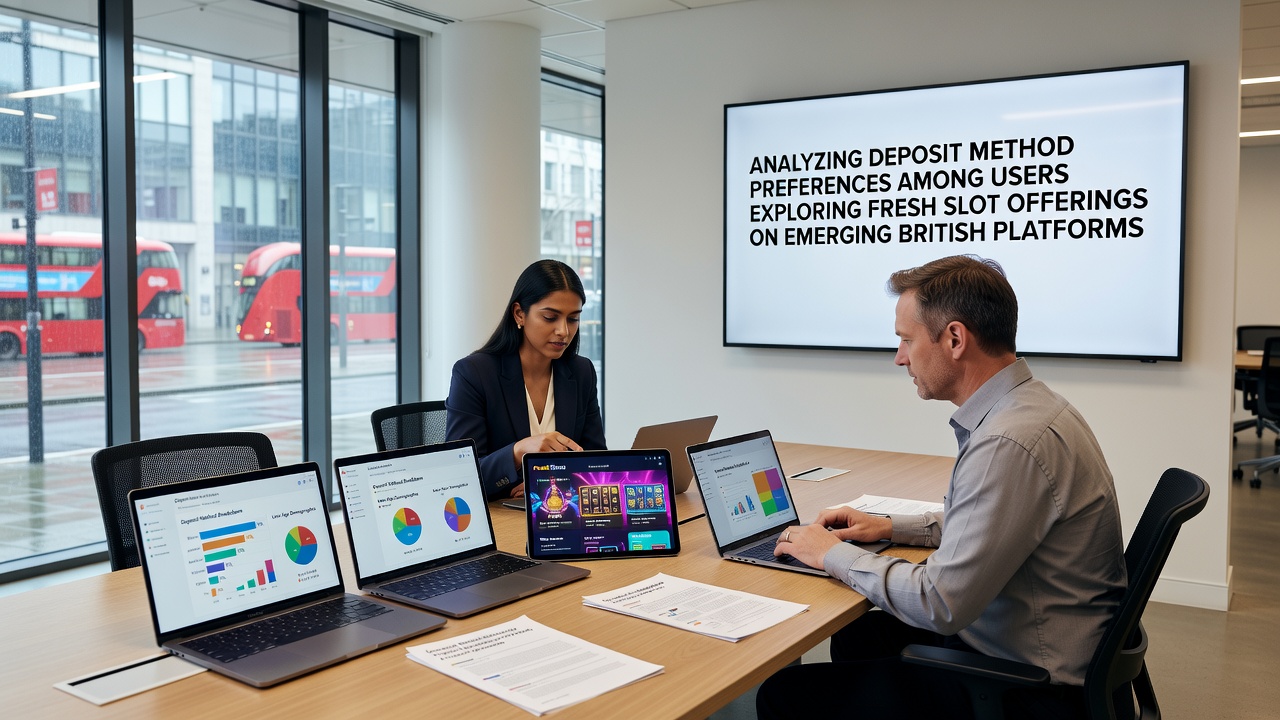
Prepaid card and voucher methods appear more often among users who limit session spending, yet they represent a smaller slice of total volume compared with instant options. Observers tracking retention metrics point out that sites offering at least three e-wallet choices retain higher percentages of players who move from free spin promotions to real-money slot play within the same visit.
Factors Shaping Choices
Speed and fee structures drive much of the decision-making process. Data compiled by the Canadian Gaming Association shows that users who encounter zero-fee e-wallet deposits explore an average of 2.3 more new slot titles per session than those using traditional cards. Security perceptions also matter, and platforms that display clear encryption badges see stronger uptake of digital wallet methods among first-time visitors.
Device compatibility plays a role as well. Users on newer smartphones gravitate toward built-in payment systems that require only biometric confirmation, while older device owners stick with browser-based e-wallets. Regional differences emerge when analysts compare urban and rural user groups, with the former showing faster shifts toward mobile wallets.
Connections to Slot Exploration Patterns
Transaction timing data links deposit method to the types of slots users try first. Those depositing via e-wallets more frequently launch high-volatility titles released within the previous 30 days, whereas card users show balanced interest across both new and established games. A University of Sydney research paper on mobile gambling interfaces found similar correlations in other markets, suggesting the pattern holds across different regulatory environments.
Operators have responded by bundling deposit incentives with specific slot promotions. Limited-time offers that credit e-wallet deposits with extra spins on fresh releases have produced measurable lifts in both deposit volume and game trials according to internal platform analytics shared in industry briefings.
Conclusion
Deposit method preferences on emerging British mobile casino sites reflect a combination of speed, device integration, and perceived convenience when users approach new slot offerings. E-wallets and mobile wallets continue to gain ground, supported by transaction speed statistics and adoption trends recorded through October 2026. Card payments maintain a stable presence for users who prioritize familiarity, while other methods fill niche roles tied to spending control or regional habits. These patterns help explain how platform design choices influence early engagement with freshly launched titles across the mobile casino sector.